

FREE SHIPPING ON ORDERS OVER $200
Hand Crafted
High Quality
Artisan Spirits


Juniper Berries
You cannot call the spirit gin, without the base botanical Juniper "Berries". It's actually the seed cone from Juniperis Communis. Contribution: woody, piney, resinous

Coriander Seed
Another core ingredient at the base of nearly all gins. The seeds release a strong, lemony citrus aroma when crushed. Contribution: nutty, spicy, citrussy

Angelica Root
Used typically as a binding agent (similar to Orris Root), angelica has an earthy, slightly herbal, slightly bitter flavour. Contribution: flavour stability, earthy, herbal

Liquorice Root
Not so much used for anise flavour but more for the sweetness in the aftertaste that this root provides. Contribution: wood, mouth feel, sweet aftertaste

Rosemary
Home grown rosemary is used in small quantities to reinforce the sweetness of the liquorice root as well as adding a wonderful herbaceous, floral middle note. Contribution: piney, fresh, savoury, floral
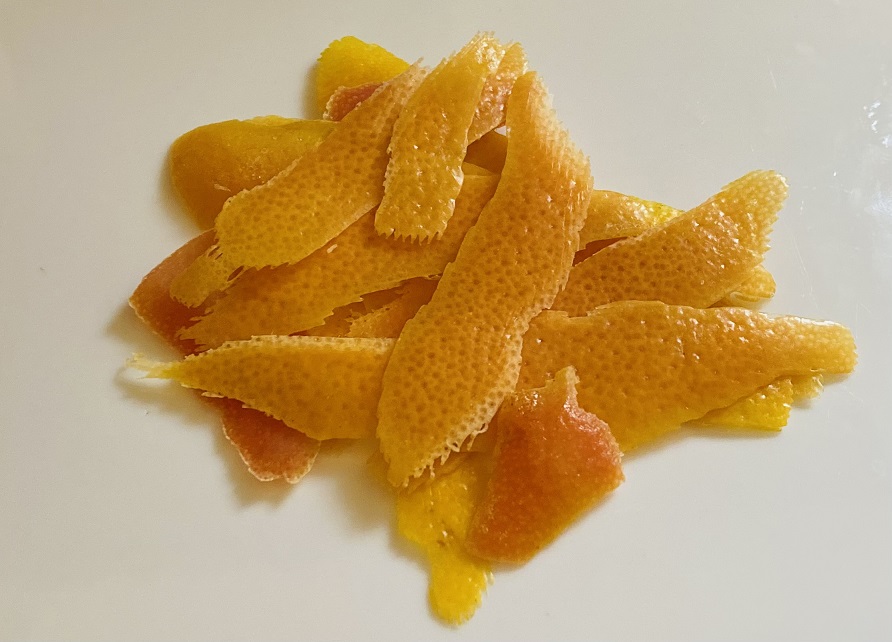
Pink Grapefruit Peel
One of the stars of the show, the unique flavour and aroma of pink grapefruit adds an explosion of citrus. Contribution: citrus, citrus, citrus

Lemon Myrtle
With very high citral content, this Australian native adds another layer of citrus to both the aroma and flavour of the product. Contribution: citrus

Cassia Bark
A slightly softer version of its relative, cinnamon, cassia adds a nice warm middle note of subtle spice. The last aroma remaining in the bottle. Contribution: soft cinnamon spice

Kaffir Lime Leaf
Another one of our home grown ingredients, the leaf of the Kaffir Lime provides a nice lemon-lime note without altering too much else. Contribution: citrus

Rosella
The Rosella bush, having grown here for thousands of years has developed characteristics that make it uniquely Australian. After flowering, the large fleshy calyx is ready for harvesting that have a pleasant tart-sweet flavour that goes very well in gin. Contribution: floral, fruit

Pomegranate Juice
The juice and seeds of pomegranates are both tart and sweet in flavor. Similar to citrus fruit, they’re very refreshing and pretty bold in taste. Contribution: fruit, acid, sweet

Tahitian Lime
Tahitian Limes are actually a cross between Key Limes and Lemons. The zest has an enticing aroma and great citrus flavour profile. Contribution: citrus

Sunrise Lime
Sunrise Lime is a cross between the finger lime and the calamondin, developed by the CSIRO. This hybrid is similar to a kumquat in that the fruit can be eaten whole, as the pith and rind are sweet and the juice inside is tangy and fresh with a delicate floral note. Contribution: citrus

Desert Lime
The Australian Desert Lime is small with an intense, piquant flavour. An extremely versatile fruit they can be used in any product or process where ‘normal’ limes or lemons are used, the main difference being their small size, lack of peel and more intense flavour. Contribution: citrus

Pink Peppercorns
Pink peppercorns are actually dried berries from Brazilian pepper and/or Peruvian pepper trees. Pink peppercorns have a similar flavour to black peppercorns, but they’re milder, slightly sweet and very fruity. Contribution: floral, pepper

Green Peppercorns
Green Peppercorns are the unripe berries that come from the same vine as black peppercorns, just picked earlier and have a more complex flavour profile with fruity notes that are not present in either of the other black or white forms. Contribution: pepper, fruit

Black Peppercorns
Black peppercorns are the green unripe peppercorns picked from the vine and dried in the sun. The natural enzymes in the outer husk of the peppercorns turn the green berries black on drying, forming the volatile oil which gives black pepper its characteristic flavour. Contribution: pepper, warmth

Green Cardamom
Green Cardamom Pods have a strong, unique taste, with an intensely aromatic fragrance and a minty coolness. Contribution: warmth, herbal, citrus, spice, mint

Sage
Sage is a pungent herb that adds a feeling of warmth with an earthy taste, combining the scents and flavors of citrus and pine. We use fresh sage leaves which are more vibrant and less bitter than dried sage. Contribution: citrus, pine, warmth

